

On this page
On the go and don't want to read? Listen to this article's podcast episode here:
Understanding Turner Syndrome and Its Impact on Vaginal Health
Turner Syndrome, a genetic condition that occurs in females who are missing all or part of one X chromosome, is often associated with distinctive physical features and potential fertility challenges. While much attention is given to short stature, ovarian insufficiency, and other well-known characteristics of Turner Syndrome, there is less discussion around how it can influence vaginal health.
For women with Turner Syndrome, reduced estrogen levels are common due to underdeveloped ovaries. Estrogen plays a crucial role in maintaining a healthy vaginal environment—supporting lubrication, elasticity, tissue integrity, and balanced microbial communities. When estrogen is low, as it often is in Turner Syndrome, these functions can become compromised, leading to dryness, irritation, and an increased susceptibility to infections.
However, understanding these connections and taking proactive measures can empower women with Turner Syndrome to preserve their comfort, confidence, and overall vaginal well-being. By focusing on balanced nutrition, stress management, regular medical care, and potentially introducing targeted supplements like a high-quality vaginal probiotic, women can address these challenges more gracefully. With a holistic approach, Turner Syndrome need not stand in the way of maintaining healthy, resilient vaginal tissues and balanced microbial ecosystems.

What Is Turner Syndrome?
Turner Syndrome (TS) is a genetic condition affecting females, caused by the complete or partial absence of one X chromosome. Key features can include:
- Short Stature: Most girls and women with TS are shorter than average.
- Ovarian Insufficiency: Underdeveloped ovaries often lead to reduced estrogen production, affecting puberty, fertility, and reproductive health.
- Possible Health Issues: Heart, kidney, and thyroid problems are more common in TS. Ongoing medical care is crucial for managing long-term health.
Due to ovarian insufficiency, estrogen levels may remain lower than typical throughout life. This hormone deficiency not only influences fertility and bone density but also subtly shapes vaginal health and comfort.

How Turner Syndrome Affects Vaginal Health
Estrogen is a key hormone for maintaining a healthy vaginal environment. Adequate estrogen levels help ensure that vaginal tissues remain lubricated, elastic, and well-supplied with blood, which supports overall comfort and resilience. Additionally, estrogen contributes to an acidic vaginal pH that fosters the growth of beneficial Lactobacillus bacteria, essential for deterring opportunistic pathogens. When the ovaries produce less estrogen, as in Turner Syndrome, the following changes may occur:
- Reduced Lubrication and Dryness: Lower estrogen leads to thinner, drier vaginal tissues. This dryness can cause itching, discomfort, or pain during intercourse (dyspareunia). Over time, dryness and microtears also open the door to potential infections, making it harder to maintain a stable ecosystem.
- Altered Vaginal pH and Microbiome: Without adequate hormonal support, the balance of Lactobacillus and other microbes can shift. A less acidic environment allows harmful bacteria or yeast to thrive, increasing the likelihood of bacterial vaginosis (BV), yeast infections, or urinary tract infections (UTIs).
- Weakened Tissue Integrity: Estrogen supports collagen formation and tissue health. With low estrogen, tissues can become less elastic and more prone to minor abrasions or discomfort, reducing overall vaginal resilience.
- Influence on Emotional Well-Being: Physical discomfort and recurrent infections can affect confidence, intimacy, and quality of life. The emotional and psychological toll of these challenges may compound existing stress associated with Turner Syndrome and its management.
Importance of Maintaining Vaginal Health
While it may seem like a minor aspect of reproductive wellness, prioritizing vaginal health offers multiple benefits for women with Turner Syndrome:
Reduced Infections and Discomfort: By working to restore microbial balance, maintain an acidic pH, and keep tissues healthy, women can reduce episodes of dryness, BV, yeast infections, and UTIs.
Enhanced Comfort and Confidence: Eliminating chronic discomfort, irritation, or pain during intimacy and daily activities supports emotional well-being and self-image.
Boosted Immune Function: A stable vaginal environment supports local immune defenses. The vaginal microbiome and low inflammation can improve the body’s ability to resist opportunistic pathogens.
Better Overall Quality of Life: Comfort, ease, and confidence in one’s own body translate into improved day-to-day experiences, intimate relationships, and a stronger sense of control in managing Turner Syndrome.
Strategies for Managing Vaginal Health with Turner Syndrome
Addressing vaginal health amid the challenges of low estrogen levels typically involves a holistic approach. While hormone therapy (such as estrogen replacement) under medical guidance may be beneficial, consider the following self-care strategies to support vaginal wellness:
- Balanced Nutrition and Adequate Hydration: A nutrient-dense diet helps regulate hormones and supports immune function. Foods rich in antioxidants, healthy fats (like omega-3s), and lean proteins can assist in maintaining tissue health. Proper hydration ensures mucosal membranes stay moist and elastic.
- Regular Exercise and Stress Management: Moderate exercise enhances circulation and may help modulate hormonal balance. Stress reduction techniques—such as yoga, meditation, or short daily walks—lower cortisol levels, influencing hormone regulation and, indirectly, vaginal health.
- Gentle Hygiene Practices: Avoid douching or using scented products in the vaginal area. Opt for mild, fragrance-free cleansers. Wear breathable cotton underwear and change out of damp clothing promptly to reduce moisture build-up and discourage microbial imbalance.
- Prompt Intervention for Infections: If unusual discharge, odor, or itching arises, seek medical advice early. Swift treatment of bacterial or yeast infections prevents chronic inflammation and further disruption to an already sensitive environment.
- Considering Estrogen Therapy: Under medical supervision, low-dose vaginal estrogen might be recommended to alleviate dryness and support tissue health. This local therapy can provide direct relief without significant systemic side effects.
- Probiotic Support: Introducing a vaginal probiotic helps restore beneficial Lactobacillus species, maintain an acidic pH, and deter harmful bacteria or fungi. Probiotics offer a gentle, non-hormonal way to bolster microbial balance, reduce inflammation, and support immune defenses, all crucial in the face of chronic hormonal deficits.
How Probiotics Assist in Maintaining Vaginal Health
Probiotics, particularly those containing Lactobacillus strains, offer multiple advantages for the vaginal ecosystem:
- Replenishing Beneficial Bacteria: By restoring Lactobacillus dominance, probiotics maintain acidic conditions that discourage opportunistic pathogens.
- Reducing Inflammation and Irritation: A balanced microbiome helps regulate immune responses and minimize chronic inflammation, which can exacerbate dryness and sensitivity.
- Preventing Recurrent Infections: With a stable microbial community, fewer episodes of BV, yeast infections, and UTIs occur, providing comfort and stability in a life already shaped by the complexities of Turner Syndrome.
- Supporting Tissue Health and Immunity: A robust vaginal environment enhances local immunity and supports tissue integrity, essential when hormone-related challenges persist over time.
For women managing Turner Syndrome, where low estrogen levels already complicate vaginal health, probiotics represent a natural and effective strategy to reinforce defenses and improve daily comfort.
Introducing Balance Complex: A Targeted Vaginal Probiotic
While focusing on Turner Syndrome’s broader implications and adopting lifestyle measures are vital, integrating a high-quality vaginal probiotic can further support and maintain vaginal well-being. Balance Complex is a carefully formulated vaginal probiotic supplement designed to restore microbial balance, reduce inflammation, and bolster immune function.
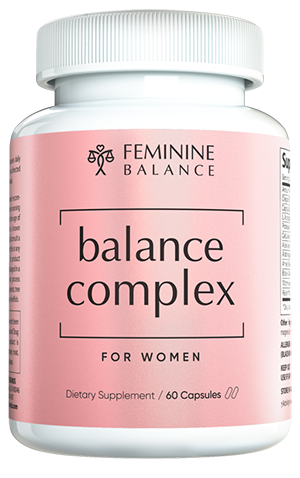
Balance Complex
See Verified Users Reviews Below
Here's what our customers says About Our Product:
Key Ingredients in Balance Complex and Their Benefits:
- Vaginal Probiotic Blend (100Billion CFU/g):
- Lactobacillus acidophilus: Maintains acidic pH, deterring harmful bacteria and fungi.
- Lactobacillus rhamnosus: Enhances immune responses and helps reduce inflammation.
- Lactobacillus reuteri: Supports microbial stability and tissue healing.
- Lactobacillus plantarum: Offers antioxidant protection, aiding in tissue resilience.
- Bacillus coagulans: Contributes to long-term microbial equilibrium.
- Cranberry and D-Mannose Blend (300 mg):
- Prevents harmful bacteria from adhering to urinary and vaginal walls, reducing UTI risk.
- Oregano Leaf Extract (250 mg):
- Natural antimicrobial properties help control opportunistic bacteria and fungi while sparing beneficial microbes.
- Caprylic Acid (400 mg):
- Targets yeast overgrowth, preventing recurrent fungal infections that can arise from imbalances.
- Protease (50 mg) and Cellulase (32 mg):
- Break down bacterial biofilms, ensuring probiotics remain effective and beneficial bacteria thrive.
- Aloe Vera Leaf (50 mg):
- Soothes irritated tissues, reduces inflammation, and supports healing, valuable for dryness and sensitivity exacerbated by low estrogen.
- Arabinogalactan (50 mg):
- Boosts immune response, aiding the body’s natural defenses against microbes and inflammation.
- Anise Seed (50 mg):
- Offers antimicrobial and anti-inflammatory benefits, further supporting tissue health.
- Black Walnut Hulls (50 mg):
- Acts as a natural antifungal and antibacterial agent, helping restore microbial harmony.
- Wormwood (50 mg):
- Supports immune resilience and balanced vaginal flora, crucial amid chronic challenges.
- Reishi Mushroom (25 mg):
- Reduces chronic inflammation and enhances immune responses, assisting with tissue maintenance and comfort.
How Balance Complex Supports Women with Turner Syndrome
- Restoring Microbial Balance: Balance Complex replenishes beneficial bacteria to maintain an acidic pH, deterring pathogens that thrive in less acidic environments—especially important when estrogen is low.
- Reducing Inflammation and Irritation: Anti-inflammatory components ease dryness and itching, helping offset discomfort caused by reduced estrogen and potential tissue fragility.
- Preventing Recurrent Infections: A stable microbiome means fewer instances of BV, yeast infections, or UTIs, ensuring a more predictable and comfortable daily life.
- Supporting Immune Function and Tissue Integrity: Enhanced local immunity and stronger tissues allow women to face estrogen-related challenges with more resilience, retaining comfort and confidence despite hormonal difficulties.
Embracing a Holistic Approach
While Balance Complex provides a potent tool for maintaining vaginal health, remember that Turnor Syndrome management is multifaceted. Hormone therapy, dietary changes, regular exercise, stress management, and medical consultation each play a role in the bigger picture of health.
Combining a probiotic supplement with medical guidance and lifestyle improvements offers the best chance for stability and comfort. Over time, these combined efforts can help mitigate the indirect impact of Turner Syndrome on the vaginal environment, paving the way for improved quality of life.
Final Thoughts
Turner Syndrome’s challenges extend beyond short stature and fertility issues, influencing hormonal patterns that can affect even subtle aspects of well-being, including vaginal health. Recognizing these connections empowers women to take proactive steps—fostering microbial balance, reducing inflammation, and supporting immune function—to maintain comfort, confidence, and dignity throughout their lives.
By implementing holistic lifestyle measures, consulting healthcare professionals, and introducing a carefully chosen vaginal probiotic like Balance Complex, women with Turner Syndrome can hold onto a sense of control and resilience. With the right approach, each challenge becomes an opportunity to preserve and nurture the body’s delicate equilibrium, ensuring a healthier, more comfortable future.
Balance Complex
See Verified Users Reviews Below